Location and access
Can the interceptor be found, opened safely, pumped, inspected, and maintained without disrupting the restaurant or neighboring tenants?

Existing Systems
Genesis Prime Group helps restaurant owners, tenants, landlords, and property managers understand whether an existing grease trap or grease interceptor is a usable asset, a hidden construction problem, or a replacement scope that should be priced before a lease or buildout moves forward.
Why Evaluate First
Many restaurant deals start with the sentence: "There is already a grease trap." That may be helpful, but it is not enough. The practical questions are whether the interceptor can be accessed, pumped, documented, repaired, reused, or approved for the proposed food service use. A coffee shop, full-service restaurant, commissary, bakery, market, school cafeteria, and hotel kitchen can create very different grease and solids loads.
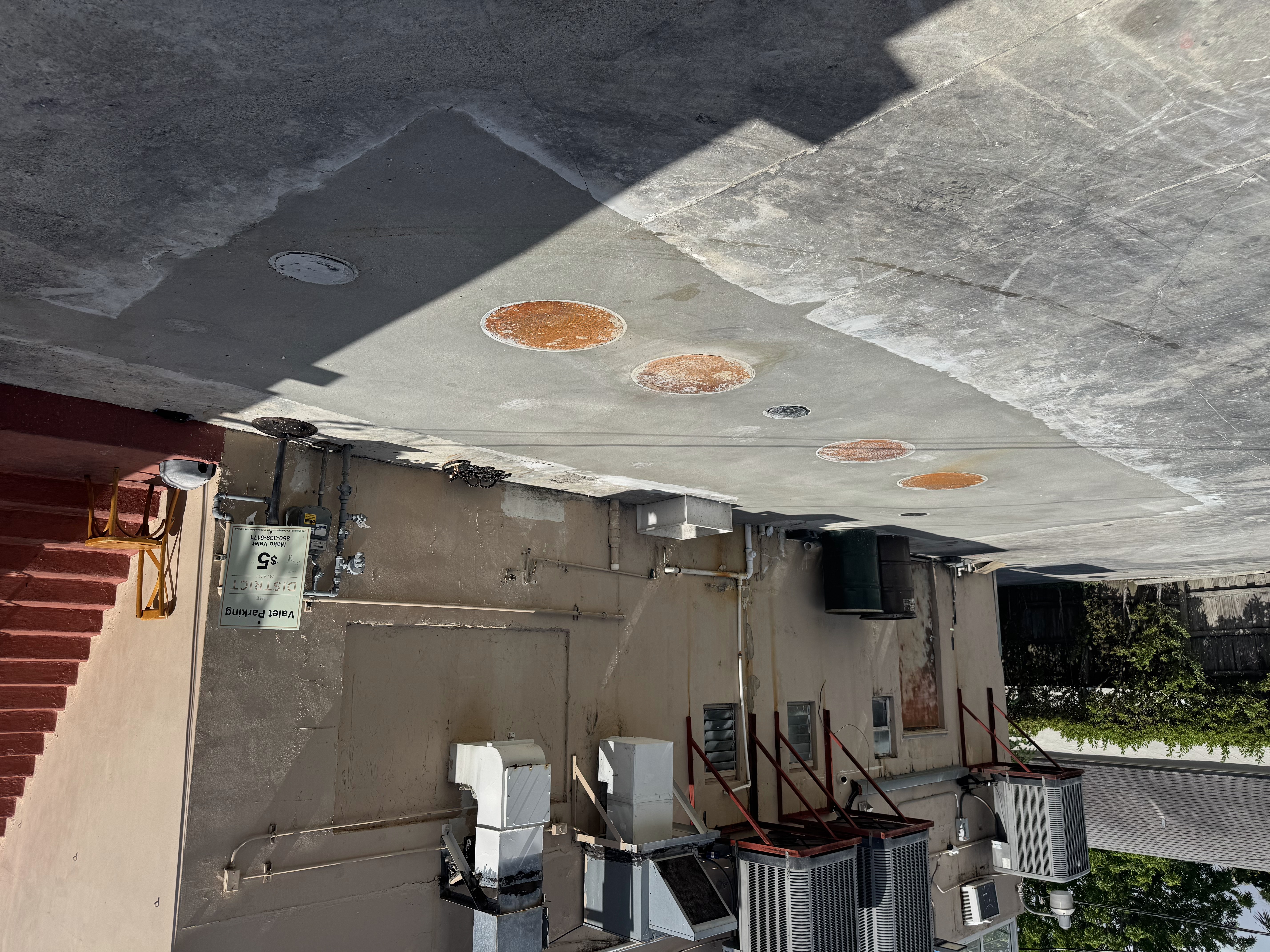
An evaluation should separate what is known from what is assumed. Genesis looks for visible covers, risers, nearby cleanouts, likely pipe routing, surface conditions, pump truck access, maintenance records, business use, fixture load, and signs of backup, odor, settlement, corrosion, or unsafe access. Some answers require records, excavation, professional design review, or agency direction, and the page should never pretend that a visual scan is the same as approval.
Field Review Checklist
Can the interceptor be found, opened safely, pumped, inspected, and maintained without disrupting the restaurant or neighboring tenants?
Do drawings, permit records, pump-out documents, model numbers, or prior service invoices show what the system is and what it served?
Which sinks, dish machines, floor drains, prep areas, and kitchen equipment appear to be connected, and are there unexplained bypasses?
Visible cracking, damaged covers, odors, backups, standing water, corrosion, settlement, or missing internals can change the decision from reuse to repair or replacement.
Expected seating, takeout meals, menu type, utensils, hours, and pump frequency should be compared against a preliminary sizing estimate.
Miami-Dade, municipal, landlord, plumbing, health, or design comments may determine whether more documentation or replacement is needed.
Evaluation Outcomes
If the system appears suitable and records support it, the next step may be documentation and coordination with the appropriate reviewing parties. If the system is unknown, the next step may be records research, pump-out observation, camera inspection, or limited exposure. If the system is damaged, inaccessible, undersized, or misaligned with the proposed use, the owner should price replacement before committing to construction assumptions.
Genesis' replacement resource explains the construction side of that decision, while the calculator helps organize initial demand assumptions. For Miami-Dade food service projects, the DERM resource should also be reviewed because operating permits, transfer issues, disclosure obligations, and municipal timing can affect the business plan.
Reuse Decision
Reuse is more plausible when records show the tank size and prior use, the device can be accessed and pumped, the proposed restaurant demand is similar or lower, visible conditions are acceptable, and the reviewing parties do not require an upgrade.
Replacement or deeper investigation should be considered when the tank cannot be located, records are missing, lids are unsafe, service access is poor, backups or odors are recurring, the new menu is heavier, or the space is changing from light food service to a full commercial kitchen.
The evaluation should identify whether the owner is facing a documentation issue, a maintenance issue, a repair issue, or a construction issue. That distinction matters before a tenant signs a lease or a landlord promises a ready-to-use restaurant space.
Start With Evidence
Calculator and quote links on this page retain the Phase 2A attribution hooks for CTA source, location, and text.